
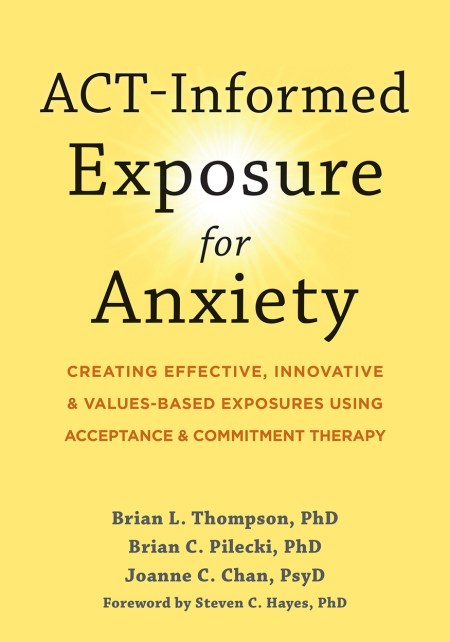
This clinical guide shows therapists how to create effective, innovative, and values-driven exposures for treating clients with anxiety and avoidant behaviours. The exposures outlined in this book are easy-to-implement, easily tolerated by clients, and work to strengthen psychological flexibility.
Exposure therapy is a proven-effective treatment for anxiety-related disorders; however, it is also one of the most challenging to implement-for both clinicians and clients. This comprehensive guide provides innovative exposures grounded in evidence-based acceptance and commitment therapy (ACT) to help your clients face their fears and live a values-driven life.
The exposures outlined in this book are easy-to-implement, easily tolerated by clients, and work to strengthen psychological flexibility-a core process of change within ACT which involves learning to remain in contact with uncomfortable experiences while taking valued action toward creating positive and meaningful life changes.
Studies have shown that ACT interventions can increase client willingness to engage in exposure therapy. Whether you are new to ACT and exposure or are experienced in traditional exposure therapy and are interested in incorporating ACT in your treatment sessions, this book is an essential resource for your professional library.
Exposure therapy is a proven-effective treatment for anxiety-related disorders; however, it is also one of the most challenging to implement-for both clinicians and clients. This comprehensive guide provides innovative exposures grounded in evidence-based acceptance and commitment therapy (ACT) to help your clients face their fears and live a values-driven life.
The exposures outlined in this book are easy-to-implement, easily tolerated by clients, and work to strengthen psychological flexibility-a core process of change within ACT which involves learning to remain in contact with uncomfortable experiences while taking valued action toward creating positive and meaningful life changes.
Studies have shown that ACT interventions can increase client willingness to engage in exposure therapy. Whether you are new to ACT and exposure or are experienced in traditional exposure therapy and are interested in incorporating ACT in your treatment sessions, this book is an essential resource for your professional library.
Reviews
In this book, Thompson, Pilecki, and Chan articulate the core principles of ACT-informed exposure as clearly and accessibly as I have ever read. The content is comprehensive—even discussing cultural considerations—making the book an essential resource for any clinician doing exposures with their clients. Even if you're already doing ACT-based exposures, you will still learn something new from the authors' masterful dissection of this approach.
Exposure-based treatments are some of the most effective, but still poorly understood, clinical strategies for anxiety problems. This book is an important step forward by embracing a process-based perspective and linking it to acceptance and commitment therapy (ACT). It is an intelligent and thoughtful integration, providing clear recommendations for improving treatment. I highly recommend this book.
Pairing decades of strong efficacy data for exposure therapy with the strengths of ACT to build willingness and cognitive flexibility—this book is the perfect pairing of both! The book contains 'how to' pointers for developing therapists and real-world problem-solving for experienced therapists. It's for the exposure therapist who wants to better help clients choose to engage and cultivate new learning. It's for the ACT therapist who wants to better harness the power of exposure.